The Wind Is a Feature
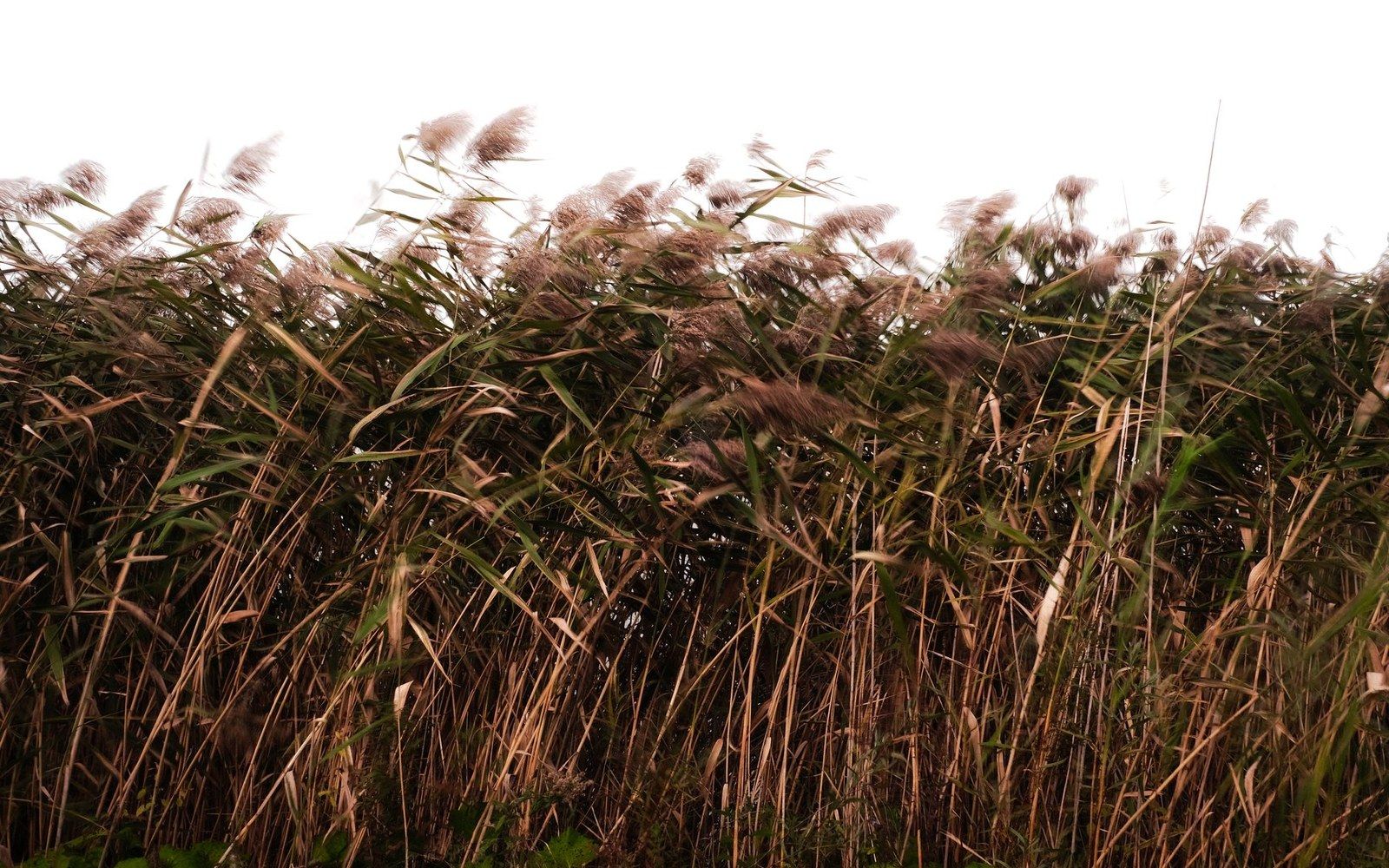
Central North Dakota doesn't just have weather — it has wind as a constant condition, and it asks you to adjust.
Learning to Read It
The first thing new visitors notice on the open prairie is that the grass is never still. The second thing they notice is that it doesn't stop. Wind here isn't a weather event; it's the baseline, the ambient state of the county, something the locals have long since filed away as unremarkable.
When it's working with you, it's genuinely beautiful. A steady southwest breeze in June turns the grasslands into something liquid — big slow waves moving through the bluestem and needle-and-thread grass, the whole prairie doing something that looks choreographed. The light off Lake Sakakawea on a windy day is spectacular, hard-edged and bright, whitecaps running the length of water that stretches to the horizon.
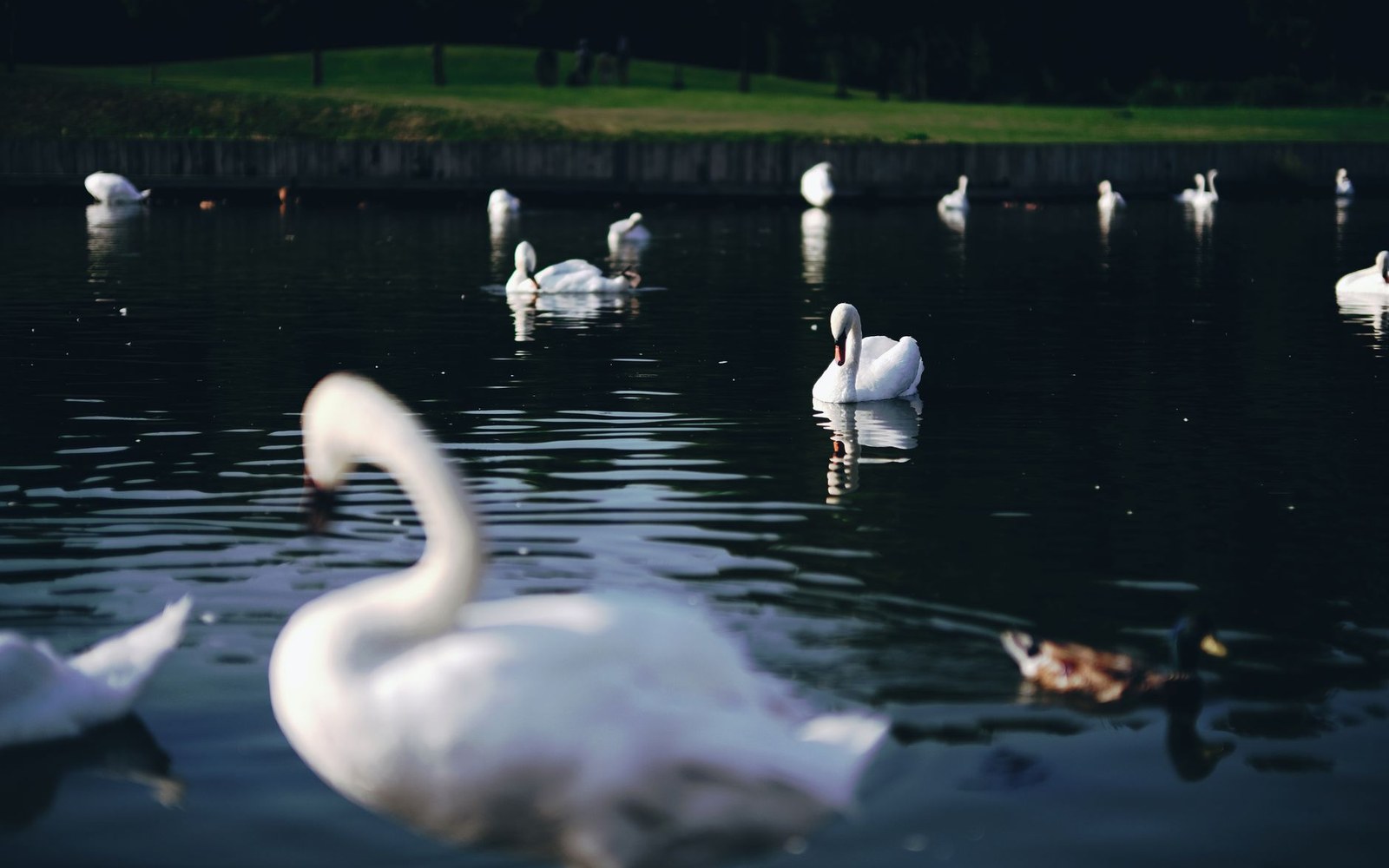
The Audubon National Wildlife Refuge driving loop makes good use of a west wind: drive it counterclockwise and the wind is behind you as you glass the water, which matters when you're trying to hold binoculars steady. Shorebirds and diving ducks that would be specks at rest turn and face into the breeze, which makes identification easier than it has any right to be.
When It Turns
The same wind that makes a June afternoon gorgeous makes a March morning brutal. Wind chill on the open section lines is not abstract — a thirty-degree day at thirty miles per hour is a different experience than the thermometer suggests, and the prairie provides no shelter to buffer it. There are no windbreaks on the lakeshore at Fort Stevenson State Park, and standing on the point into a northwest blow in October requires real resolve.
Summer thunderstorms here build fast and announce themselves with a shift in the wind long before the lightning is visible. If you're on the water, that change in direction is the signal to head in — Lake Sakakawea is large enough to produce steep, short-period waves quickly, and the dam's effect on local weather patterns can surprise people used to smaller lakes.
In town, the wind is structural in a literal sense. The grain elevators that define every small-town skyline — Garrison, Underwood, Coleharbor, Max — were built to stand up to it. The old farmsteads that punctuate the gravel roads planted their shelterbelts on the north and west for the same reason.
Visitors who make peace with it tend to find the wind gives the county its character: the clarity it brings after a front moves through, the way it makes the landscape feel genuinely alive, the sense that you are somewhere unmediated. Visitors who fight it are just cold and irritated. The prairie doesn't notice either way.