McLean County has no blockbuster museum. What it has is better for a slow afternoon: a handful of small collections, each one assembled by people who lived the history they're preserving, and each one holding something you won't find anywhere else.
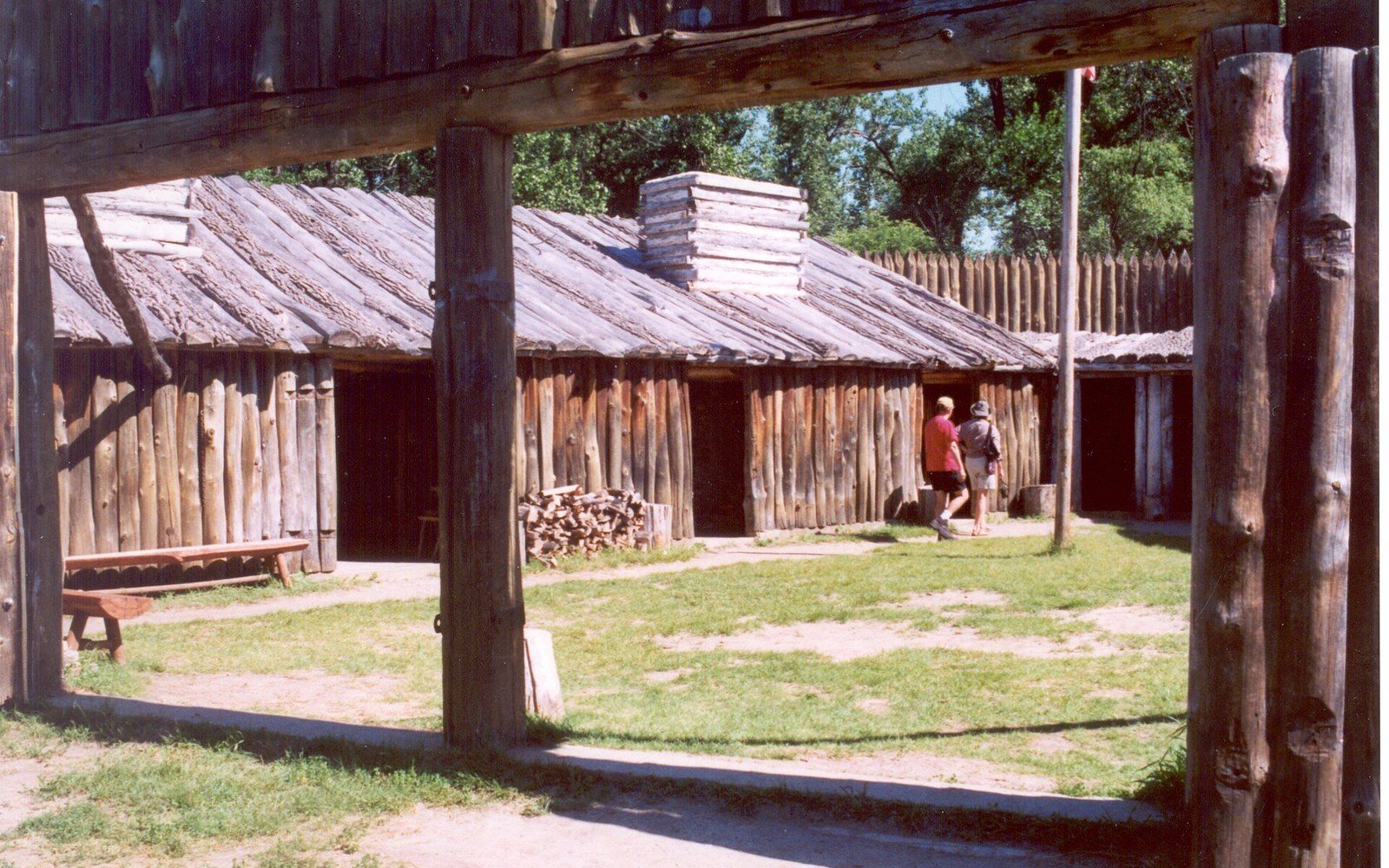
The Lewis and Clark Interpretive Center near Washburn is the largest and most polished stop on the county's history circuit. It anchors the story of the 1804–05 winter camp at Fort Mandan — the months the Corps of Discovery spent among the Mandan and Hidatsa villages — and does it without exaggeration. The exhibits trace the practical logistics of the expedition: the diplomacy, the cartography, the cold. A replica fort sits outside. The center connects to the adjacent Fort Mandan site, and together they make a serious half-day.
Smaller, quieter, and just as worth your time is the McLean County Museum of History in Washburn. It sits in the county seat and holds what local historical societies hold everywhere on the northern plains: farm equipment, homestead photographs, immigrant-era household goods, school records. None of it is glamorous. All of it is specific. The power of a collection like this is exactly that specificity — a Norwegian Bible, a county plat map from the early twentieth century, a McCormick binder that someone's grandfather ran for decades. State museums smooth these things into a general narrative; county museums leave the edges on.
Out in Garrison, the local museum keeps a parallel focus on the lake era — the decades after the Garrison Dam changed everything about how this part of the county looked and worked. That shift is still recent enough that some visitors remember it themselves.
The smaller towns reward the unhurried. Coleharbor, Turtle Lake, and Underwood each have local collections or heritage displays that open seasonally, tended by volunteer historical societies. They're modest on purpose. Don't expect interpretive panels and climate control; expect somebody who actually wants to talk about what's in the cases.
What all of these places share is the same basic act: someone decided that the ordinary material of a particular life and a particular place was worth keeping. They were right. On the northern plains, where towns consolidate and buildings come down, the local museum is often the only institution standing between a community's history and simple disappearance. That's not sentiment — it's logistics. The courthouse keeps legal records; the museum keeps everything else.
Hours and seasonal schedules vary; confirm before driving a distance specifically to visit.