The Audubon Refuge
The easiest wildlife viewing in McLean County is free, slow, and a short drive from the highway.
On a Lake No One Talks About
Most visitors to McLean County fix their attention on Lake Sakakawea — the big one, the reservoir, the fifty-mile fetch of open water. Lake Audubon sits quietly to the south, a smaller impoundment connected to Sakakawea by a control structure, and it doesn't compete for attention. That's roughly half the reason to go there.
The Audubon National Wildlife Refuge wraps around the northern and western shoreline of Lake Audubon, between Coleharbor and the grain-elevator skyline at Garrison. The refuge was established after Garrison Dam flooded the Missouri bottom lands and altered the hydrology of the whole region — the impoundments that replaced the old river channel turned out to be serious waterfowl habitat, and the federal refuge system moved in alongside them. The result, decades on, is a managed wetland complex embedded in northern Great Plains prairie that draws an extraordinary number of birds and requires almost nothing from the visitor except patience and a slow foot on the accelerator.
The Driving Loop
The refuge maintains a gravel auto tour route — a loop that runs through native and restored prairie, past seasonal wetlands and shallow marshes, and along sections of lake shoreline. You don't need a four-wheel drive or a high-clearance vehicle under normal conditions; you need to go slowly enough to actually see what's there.
The loop works in either direction, but the western sections tend to offer open marsh views with the light at your back in the morning. Bring binoculars. The distance is modest — you're not crossing the county — and on a calm day the whole circuit takes well under an hour at genuine wildlife-watching pace, which means stopping whenever something moves, standing still for a few minutes when it doesn't, and giving the prairie potholes the attention they deserve. These shallow glacial depressions hold seasonal water and concentrate waterfowl at a density that surprises first-time visitors. In migration, a single pothole can hold dozens of ducks. The variety matters: the mix of puddle ducks, diving ducks, and shorebirds shifts across the season as different species pass through or settle to nest.
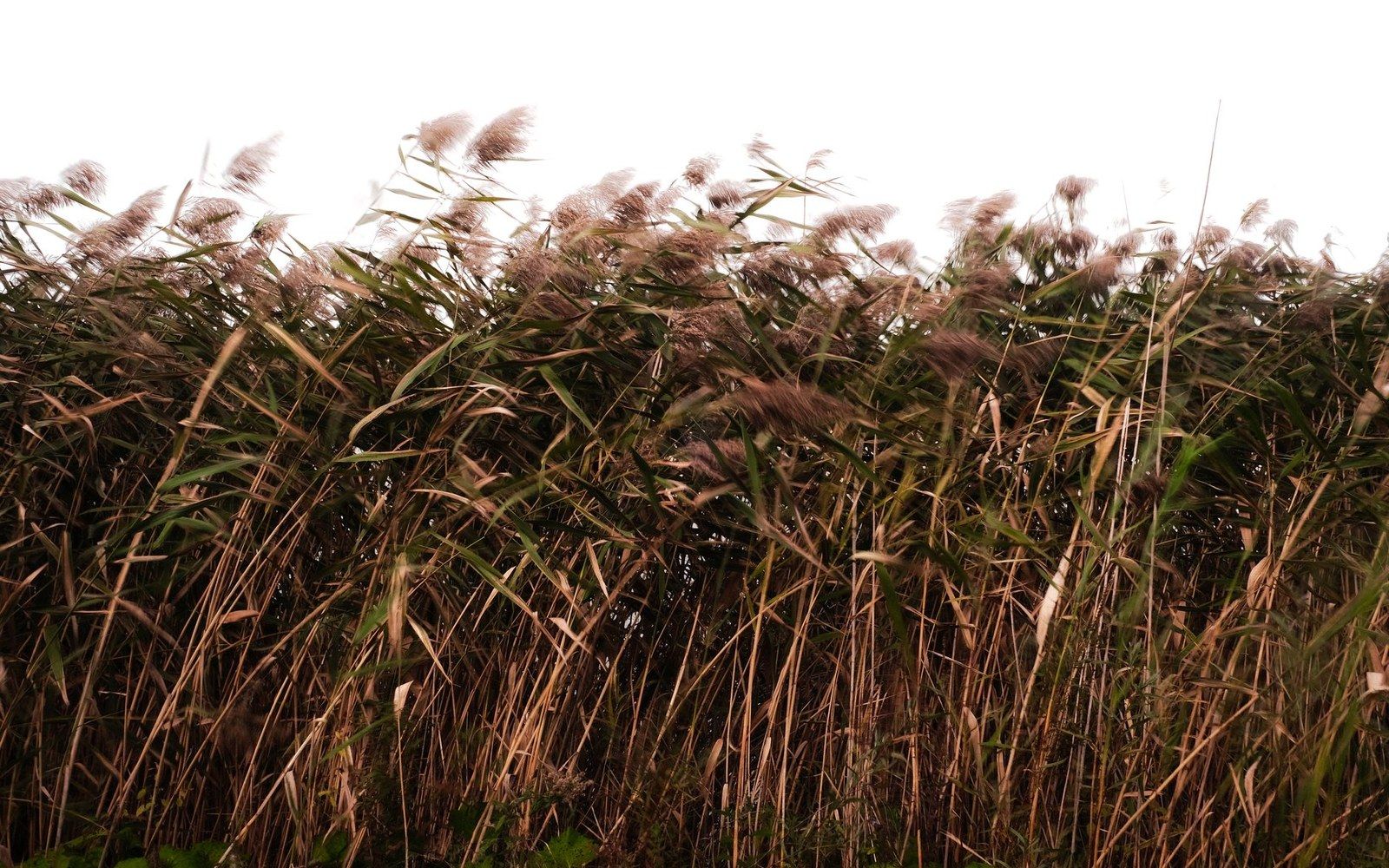
The prairie between the wetlands is not decorative filler. White-tailed deer move through it at dusk. Mule deer show up at the refuge too, near the eastern margin of their range in this part of the state. Ground squirrels work the roadsides. Northern harriers quarter low over the grass looking entirely purposeful. On a warm day in early summer, the bobolinks are everywhere and impossible to miss if you stop with the windows down — the males produce one of the stranger sounds in North American bird song, a long bubbling electronic trill that has no obvious analogue.
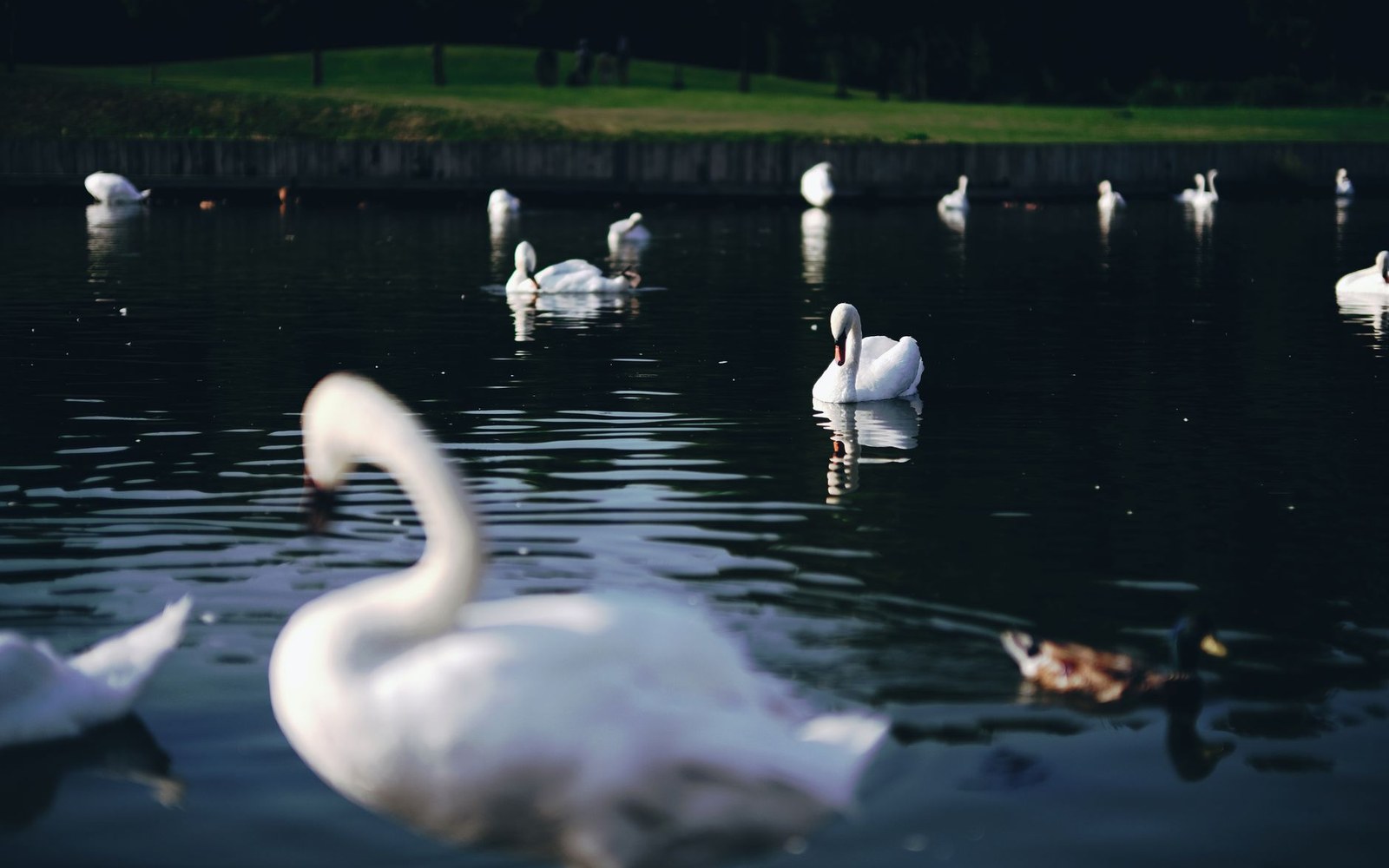
Pelicans use Lake Audubon in numbers that consistently startle people who associate them with saltwater coasts. They are large, they are white, and dozens of them resting on open water look like something from a different continent. Cormorants nest in the area. Herons work the shallows. In migration periods, the concentration of waterfowl can be dense enough that the lake surface near the refuge literally moves.
What to Know Before You Go
The refuge entrance is off U.S. Highway 83, near Coleharbor — a small town at the highway junction whose grain elevators mark the turn from a long way off. There's no gate in the commercial sense, no fee booth. A sign and a small information station mark the beginning of the tour route.
Because this is a national wildlife refuge, hunting and fishing regulations are specific and can change. The North Dakota Game and Fish Department is the right place to check current rules — not this guide, not the refuge signage from two seasons ago.
The best time of day for wildlife viewing is what it always is on the Great Plains: early morning and the hour before dark, when the light is low, the heat is manageable, and animals that spent the middle of the day in cover begin to move. Midday in July is a different proposition — not without interest, but quieter. Come in May, come in September, and bring more patience than you think you'll need. The refuge rewards it every time.