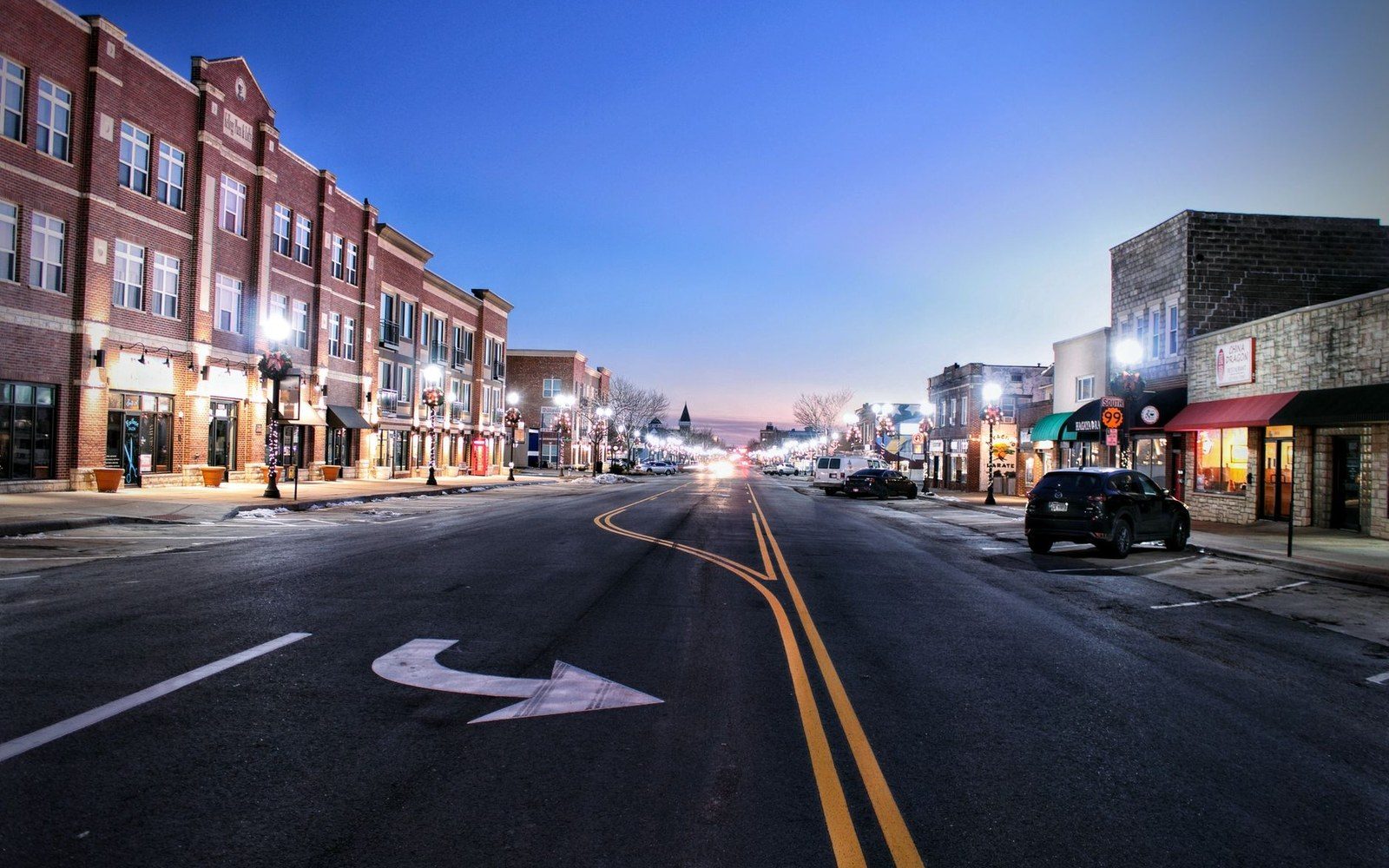
Garrison sits on a bluff above Lake Sakakawea about as directly as a town can sit above a body of water, and the whole place orients itself accordingly. The marina is the center of gravity. The motels fill up when the walleye are running. The restaurants know exactly who is walking through the door and what they are hungry for.
The town is small — about 1,500 people — but it punches above its weight as a service hub for the western shore of the lake. Anglers driving in from Bismarck, Minot, and well beyond arrive needing fuel, ice, groceries, bait, and a place to sleep, and Garrison supplies all of it without much fuss. That matter-of-fact competence is part of the appeal.
What actually draws people here
The walleye is the main event, and Lake Sakakawea is one of the premier walleye fisheries in North America — a fact the town wears without apology. The giant fiberglass walleye sculpture on the main drag is somewhere between civic mascot and honest advertisement. It is enormous. You will not miss it.
The lake itself is the work of the Garrison Dam, completed in the 1950s, which backed the Missouri River up into a reservoir that now stretches well over 100 miles into the state. The dam is a short drive south of town, and its presence defines everything: the economy, the landscape, the rhythm of the seasons. When the water level drops in drought years, it shows. When it is high and clear, the boats go out in numbers that fill every launch ramp.
Beyond fishing, the lake draws boaters, campers, and people who simply want open water and sky in a part of the country that has plenty of both. Fort Stevenson State Park sits just south of town on a broad point of land reaching into the lake, and it is the most developed access point in the area — campgrounds, boat launches, a marina, a stretch of shoreline that on a calm evening looks like something from a different latitude entirely.
The town itself
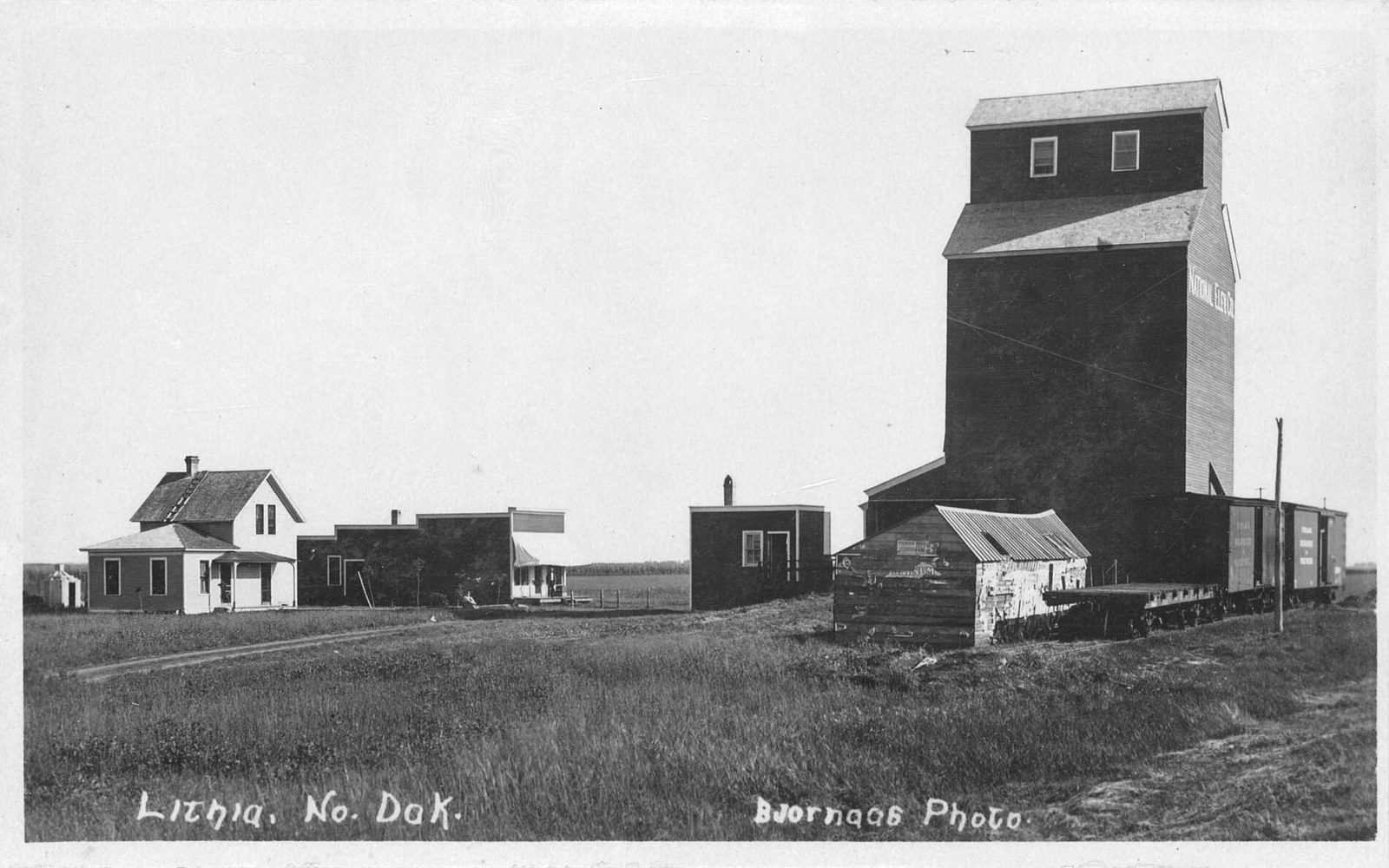
Garrison's main street has the bones of a working farm and ranch town layered over with the additions a recreational economy demands. There are hardware stores and grocery stores alongside fishing-supply shops and places selling live bait. The cafés are the kind that have been there long enough to have a regulars' table and a coffee pot that never quite empties.
The town holds a small-scale historical museum worth an hour if you are curious about how this part of the county developed — the homesteading era, the dam years, the shift from purely agricultural to something more mixed. The surrounding country is McLean County prairie: gently rolling, cut by draws, dotted with the glacial depressions known as prairie potholes that hold seasonal water and support more waterfowl than most visitors expect. The Audubon National Wildlife Refuge and Lake Audubon lie to the south and east, a managed landscape where the wildlife viewing is reliable and the crowds are thin.
Garrison is also a reasonable base for driving the wider area. Riverdale and the dam are a short distance south. The road south runs through Coleharbor, near the Audubon refuge. ND 37 connects west toward the lake's more remote reaches. None of these drives is long, and all of them return you to the same main street, the same diners, the same oversized fish.
One thing worth noting: Garrison in summer fishing season and Garrison on a cold Tuesday in March are genuinely different places. The seasonal economy is pronounced. If you are traveling off-peak, things will be quieter, some services reduced, and the lake — grey and windswept and enormous — more yours than it would be in July. Whether that appeals to you is a matter of temperament, but it is worth knowing going in. The lake does not disappear when the season ends. It just gets lonelier, and depending on your mood, lonelier might be exactly right.