Turtle Lake and Max
Two towns holding steady out where the potholes outnumber the people
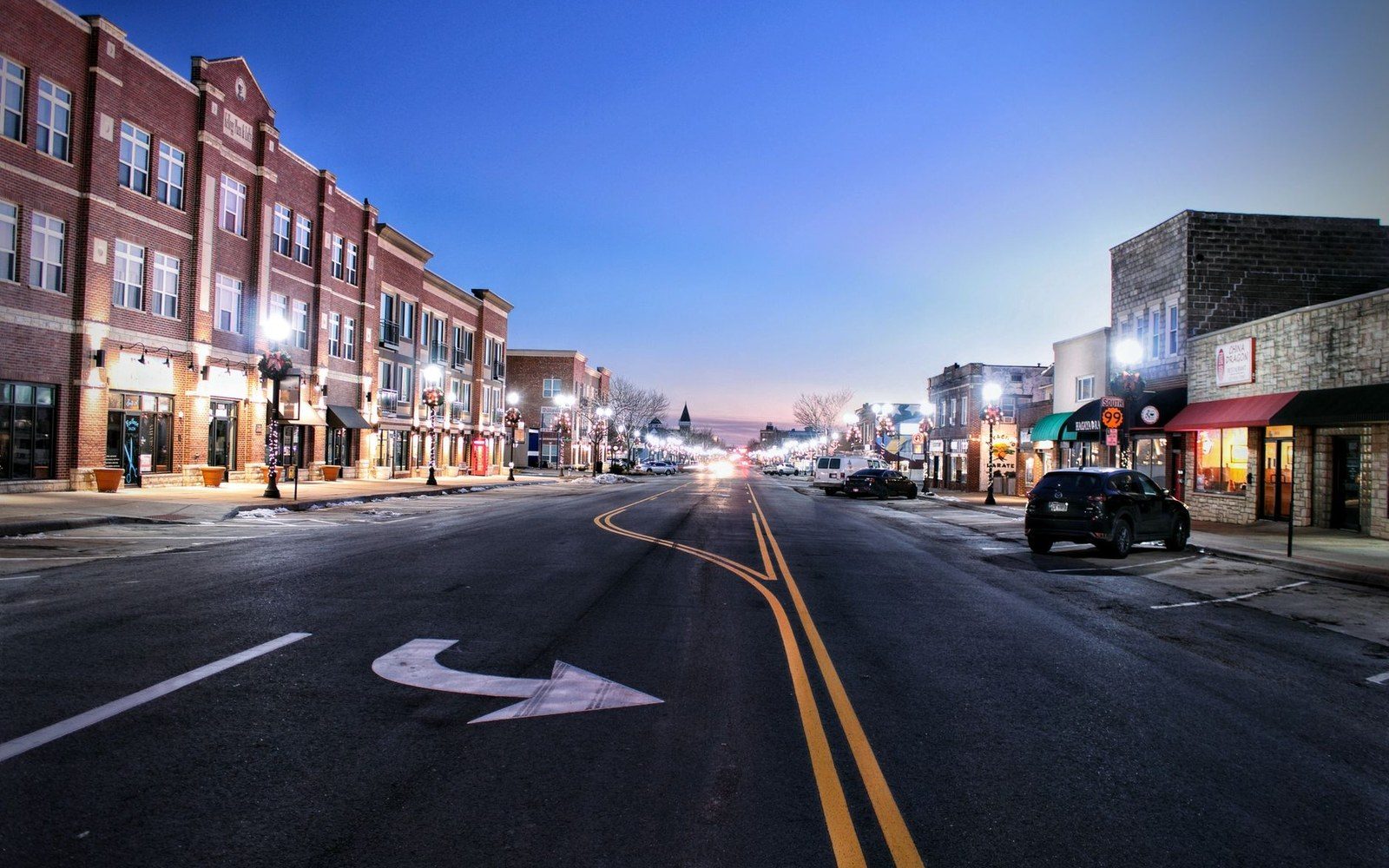
Turtle Lake and Max sit roughly fifteen miles apart on US Highway 83, the long north-south corridor connecting Bismarck to Minot. Neither is a destination in the conventional sense. Both are real, working farm towns — grain elevators visible from the highway, a main street scaled to the surrounding township, enough services to matter to the people who live there.
Turtle Lake is the larger of the two, a small county town with a school, a café, and the particular self-sufficiency that prairie communities develop when the nearest city is an hour away. The country around it is genuine pothole country: shallow glacial depressions hold water through the wet season, and the fields between them are as flat and open as anywhere in the county. In spring and fall, the potholes pull in migrating waterfowl in numbers that make the roadside worth slowing down for.
Max, some fifteen miles north, is quieter still — a handful of blocks, an elevator, a water tower. It has the look of a town that has shed some population over the decades without losing its footing entirely. The surrounding landscape is wheat and canola interrupted by wetlands, and on a clear day the sky dominates everything.
What both towns share, beyond the highway and the grain elevators, is a location out in the middle of something large and mostly undivided. They are useful stops: fuel, a meal, a sense of where you actually are in central North Dakota. Driving through without slowing down is easy to do. It's also the wrong call.